Ha Giang Loop Motorbike Tour: Everything You Need to Know
If there’s one motorbike route in Vietnam that shows up on every rider’s list, it’s the Ha Giang Loop. Tucked into the country’s northernmost province along the Chinese border, the Loop winds through limestone mountains, deep river canyons, and villages belonging to the H’mong, Tay, and Dao communities. It’s consistently ranked among the most spectacular motorcycle routes in Asia, and for good reason — few rides anywhere pack this much scenery, culture, and adrenaline into a few hundred kilometers.
This guide covers everything you need to plan your own Ha Giang Loop motorbike tour in 2026, from route options and permits to choosing between self-drive and a guided “easy rider.”
What Is the Ha Giang Loop?
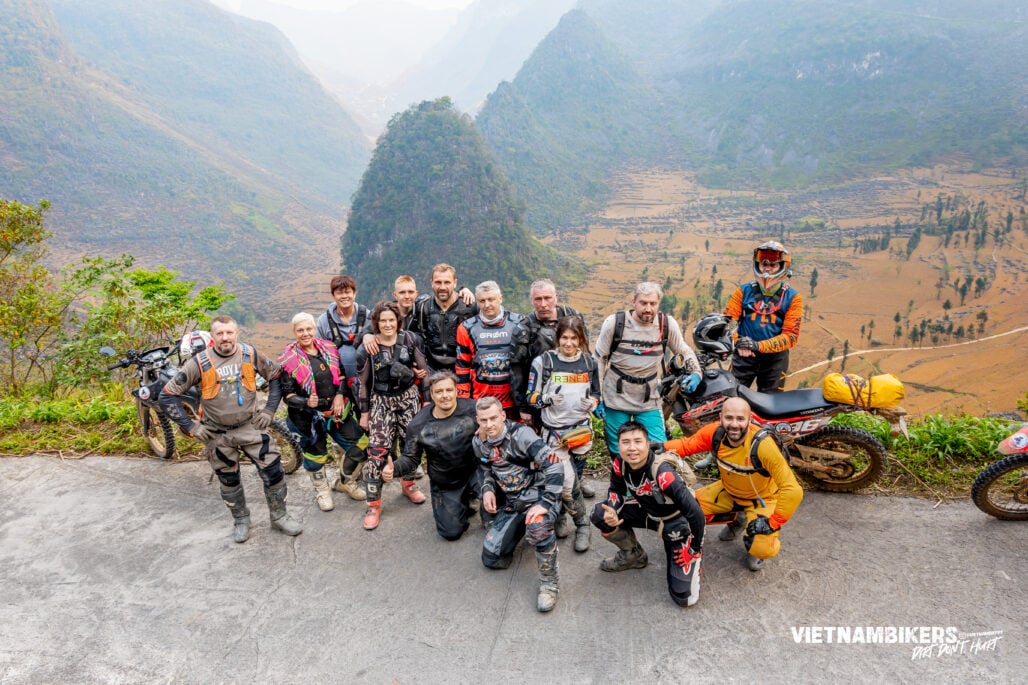
The Ha Giang Loop is a roughly 300–350 km circular route that typically starts and ends in Ha Giang City. The classic route runs through Quan Ba, Yen Minh, Dong Van, Meo Vac, and often Du Gia, tracing the edge of the Dong Van Karst Plateau Geopark — a UNESCO-recognized landscape of dramatic limestone peaks. Along the way, riders pass through Heaven’s Gate, the Nho Que River canyon, and the legendary Ma Pi Leng Pass, one of the most photographed roads in the country.
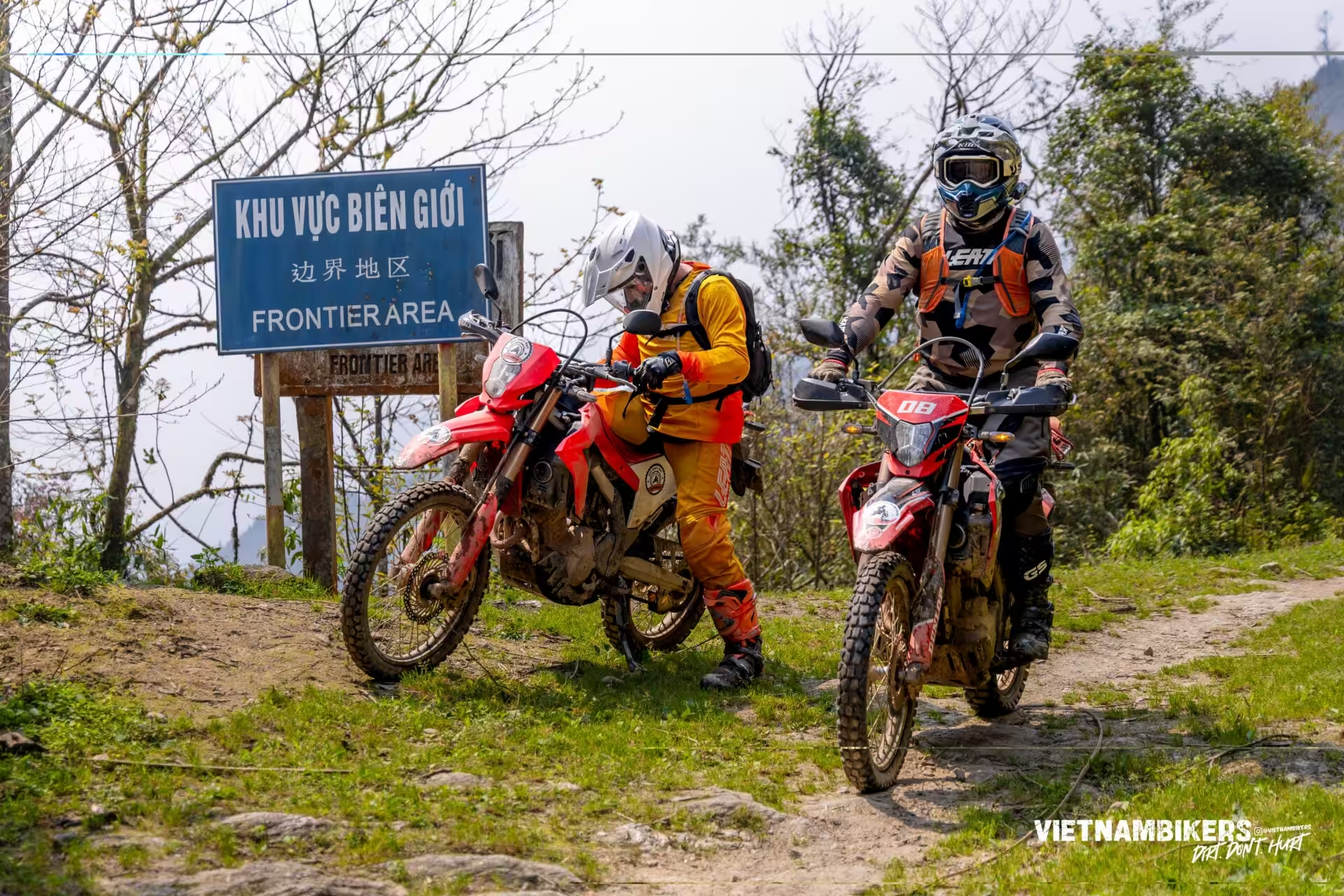
The terrain is a mix of paved mountain roads, tight switchbacks, and the occasional rough or unpaved stretch, making it accessible to moderately confident riders while still offering enough challenge to keep experienced ones engaged.
How Many Days Do You Need?
Most tour operators offer the Ha Giang Loop as a 3-day, 4-day, or occasionally 5-day itinerary:
- 3 days / 2 nights — covers the core highlights (Ma Pi Leng Pass, Dong Van, Meo Vac) but keeps a tighter daily schedule with less flexibility for detours.
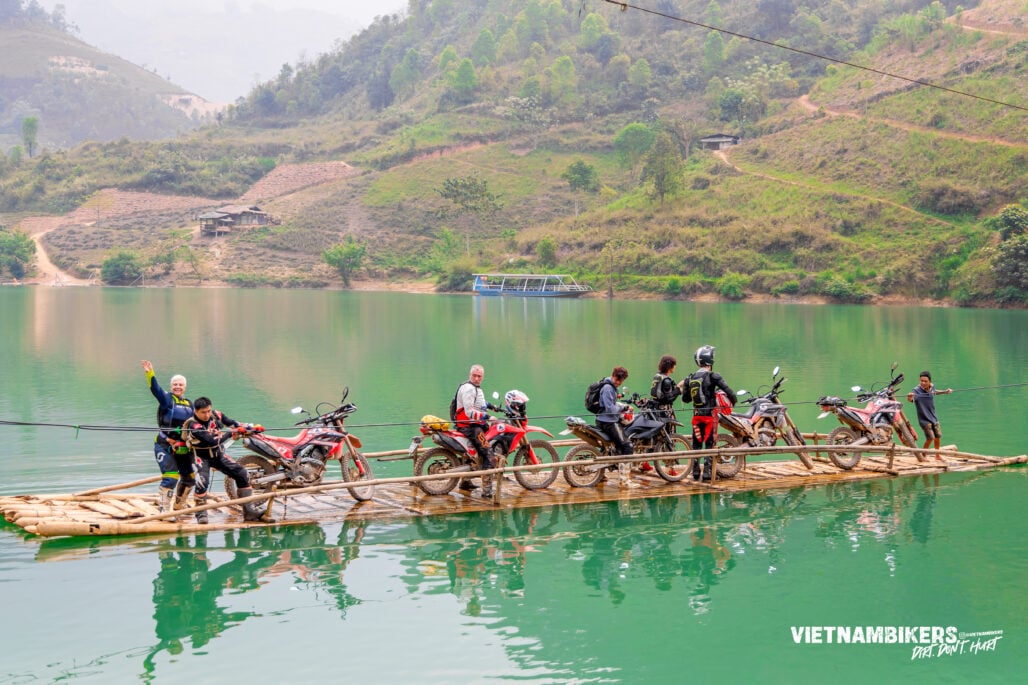
- 4 days / 3 nights — widely considered the sweet spot, allowing time for smaller villages, the Nho Que River boat ride, and side trips like Du Gia’s waterfalls without feeling rushed.
- 5 days — extends further into Cao Bang or adds extra rest and swimming stops, ideal for riders who want a slower pace.
A typical 4-day route looks something like: Ha Giang City → Quan Ba → Yen Minh → Dong Van → Ma Pi Leng Pass → Meo Vac → Du Gia → back to Ha Giang City, with overnight homestays along the way.
Guided (“Easy Rider”) vs Self-Drive
This is the biggest decision most travelers face when booking a Ha Giang Loop tour.
Easy Rider (guided, ride pillion): A local driver-guide rides the motorbike while you sit as a passenger. This is the most popular option for first-timers, solo travelers without an International Driving Permit, and anyone who’d rather focus on the scenery than the road. It’s also considered the safer choice on the Loop’s steeper cliffside sections.
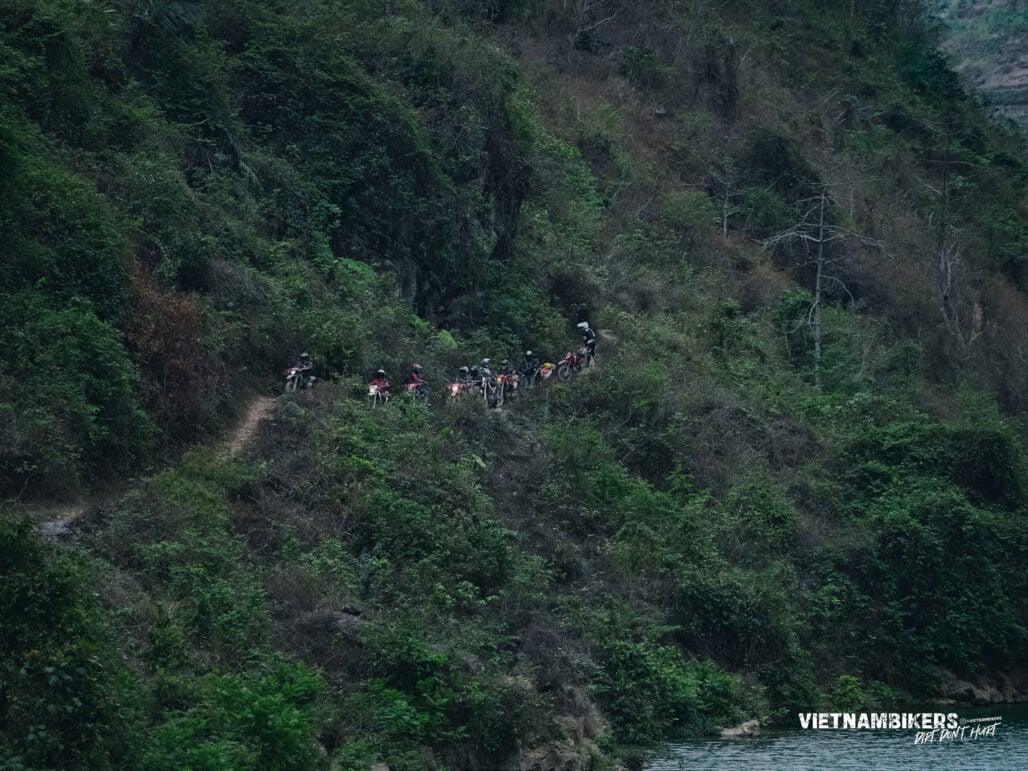
Self-drive (guided support, you ride): You ride your own rented motorbike, usually a manual 150cc–250cc bike, with a guide leading the group and providing mechanical support. This suits riders who already have motorbike experience and an appropriate license or IDP.
Fully self-guided: Renting a bike with no guide at all is possible but generally not recommended for the Loop specifically, given the mountain roads, changeable weather, and permit requirements described below.
Many operators offer a mix within the same group — some guests ride pillion, others self-drive — so couples or groups with mixed experience levels can still travel together.
Do You Need a Permit for Ha Giang?
Yes. Foreign travelers need a border area travel permit to enter certain zones of Ha Giang province, including Dong Van and Lung Cu, since the route runs close to the Chinese border. Most tour operators arrange this permit for you as part of the booking, but it’s worth confirming it’s included, along with any recent fee changes, since border permit requirements and costs have been updated in 2026 in some areas. Always carry your passport, motorbike rental documents, and travel insurance details with you during the ride.
Best Time of Year for the Ha Giang Loop
- October to April (dry season): Generally the best window, with clearer skies and cooler mountain temperatures — October and November are considered peak season, coinciding with the rice harvest.
- May to September (wet season): Riding is still possible, but expect more rain, occasional fog, and less predictable road conditions on the steeper passes.
Regardless of season, temperatures in the mountains can drop sharply at night, so warm layers are worth packing even outside winter.
What to Pack
Since your gear rides on the back of a motorbike for several days, packing light matters:
- One small, rainproof duffel bag or backpack (most tours limit you to this)
- Warm layers for cold mountain mornings and evenings
- A separate small daypack or shoulder bag for cameras, phones, and anything you’ll want access to during the day (avoid packing electronics in the strapped-down main bag)
- Basic rain gear, though many operators provide ponchos or rain suits
- Sunscreen, a scarf or buff for dust, and any personal medication
Accommodation along the Loop is typically in homestays or basic guesthouses — comfortable, but not luxury — so it helps to arrive with realistic expectations about amenities.
Choosing a Ha Giang Loop Tour Operator
With so many companies now running the Loop, a few things separate a great trip from a disappointing one:
- Small group sizes. Smaller groups tend to get more flexibility to detour to quieter viewpoints, caves, and villages.
- Experienced, safety-focused drivers. Given the cliffside sections around Ma Pi Leng, driver skill matters more here than on flatter routes.
- Clear inclusions. Confirm whether the permit, insurance, meals, and homestay accommodation are included in the quoted price, and ask what happens in case of bad weather or a group member wanting to switch between self-drive and pillion mid-trip.
- Realistic reviews. Look for detailed traveler feedback about specific guides and route conditions rather than generic five-star blurbs.
Final Thoughts
The Ha Giang Loop earns its reputation as one of Vietnam’s — and Southeast Asia’s — best motorbike routes, combining dramatic mountain scenery with genuine cultural immersion. Whether you choose to ride yourself or sit back with an easy rider, the 4-day version of the Loop offers the best balance of highlights and pacing for most travelers. Book with an operator that’s transparent about permits, group size, and safety, and you’ll come away with one of the most memorable rides of your trip to Vietnam.
Frequently Asked Questions
How long is the Ha Giang Loop? The full Loop covers roughly 300–350 km, typically completed over 3 to 5 days depending on the itinerary.
Do I need a motorbike license to ride the Ha Giang Loop myself? Yes, self-driving requires your home country motorbike license plus an International Driving Permit. If you don’t have one, riding as a passenger with an easy rider is the common alternative.
Is the Ha Giang Loop dangerous? Some sections, particularly around Ma Pi Leng Pass, involve steep cliffs and sharp turns. With an experienced guide, proper gear, and cautious riding, most travelers complete it safely.
What’s the best time of year to do the Ha Giang Loop? October to April, with October and November considered peak season for clear skies and comfortable temperatures.